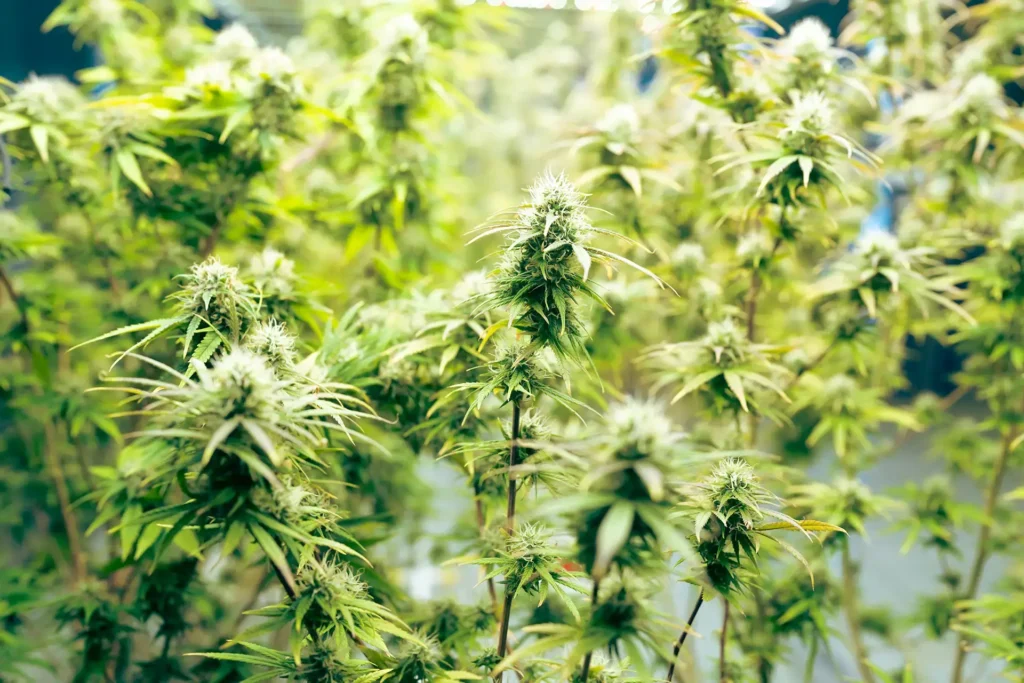
As cannabis legalization spreads globally, the environmental impact of its cultivation has become an increasingly important issue. While high-CBD treatment cannabis offers economic and medical benefits, large-scale growing—especially indoor cultivation—can consume significant natural resources and produce waste.
In this article, we’ll explore the environmental challenges associated with cannabis farming and discuss sustainable solutions that growers and consumers can adopt.
Environmental Challenges of Cannabis Cultivation
- High Energy Consumption
Indoor cannabis cultivation requires extensive lighting, temperature control, and ventilation, often leading to substantial electricity use. Studies estimate that indoor grows can consume more energy per square foot than many other crops, contributing to greenhouse gas emissions. - Water Usage
Cannabis plants require considerable water, especially in outdoor grows located in drought-prone regions. Overuse of water resources can strain local ecosystems and affect other agricultural operations. - Pesticides and Chemicals
The use of pesticides, fertilizers, and chemical nutrients can lead to soil and water contamination if not properly managed. Runoff from cultivation sites can harm wildlife and disrupt ecosystems. - Waste Generation
Cannabis cultivation generates organic waste like plant material and non-organic waste such as plastic pots and packaging. Improper disposal contributes to pollution. - Land Use and Habitat Loss
Outdoor grows may involve clearing natural habitats, leading to biodiversity loss and soil erosion.
Sustainable Solutions and Best Practices
- Energy Efficiency
Transition to LED lighting which uses less power and produces less heat.
Utilize renewable energy sources like solar or wind.
Implement smart climate control systems to optimize energy use.
- Water Conservation
Employ drip irrigation systems to minimize water waste.
Harvest and recycle rainwater.
Use drought-resistant cannabis strains suited to local climates.
- Organic and Integrated Pest Management
Adopt organic farming techniques and natural pest deterrents.
Avoid harmful chemical pesticides to protect soil and water health.
- Waste Reduction and Recycling
Compost plant waste to return nutrients to the soil.
Use biodegradable or reusable packaging and containers.
- Responsible Land Management
Avoid clearing sensitive habitats for cultivation.
Support sustainable outdoor farming practices like crop rotation and soil restoration.
Role of Regulations and Certifications
Governments and industry groups are developing standards for sustainable cannabis cultivation. Certifications such as “organic cannabis” and “clean green” aim to promote eco-friendly practices and help consumers make informed choices.
The Consumer’s Role in Sustainability
Consumers can influence environmental impact by:
Choosing sustainably grown cannabis products
Supporting companies with green certifications
Advocating for environmental accountability in the cannabis industry
Final Thoughts
Cannabis cultivation has real environmental impacts, but through innovation, responsible practices, and consumer awareness, the industry can move towards a more sustainable future.
Balancing growth with ecological stewardship is essential as cannabis becomes mainstream worldwide.
 Site Title
Leave a comment